NAMC annual workshop brings researchers together to shape the way forward
Researchers from across the North Atlantic Microplastic Centre met in Bergen to share scientific progress, identify knowledge gaps and discuss future priorities for collaborative microplastics research.
Through the North Atlantic Microplastic Centre (NAMC), researchers work across scientific fields and national borders to strengthen the knowledge needed to understand, manage and reduce plastic pollution in marine environments.
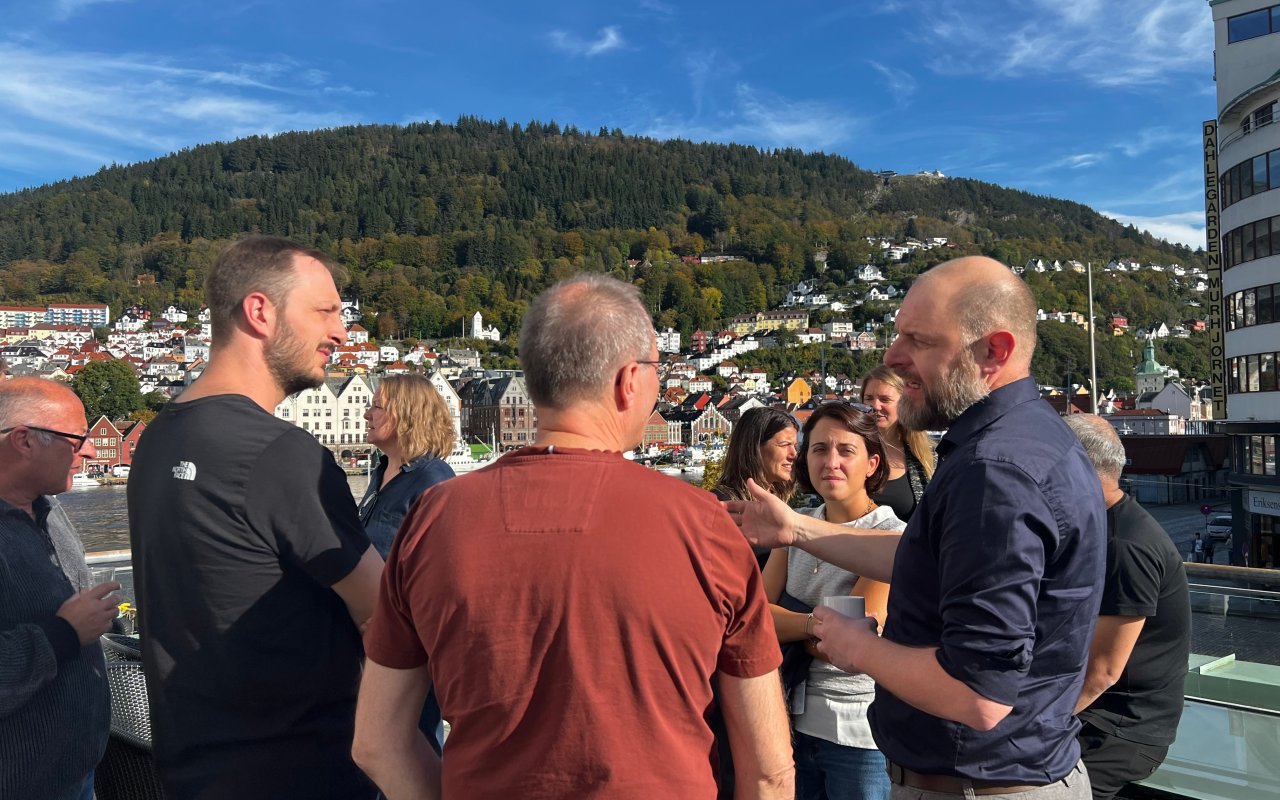
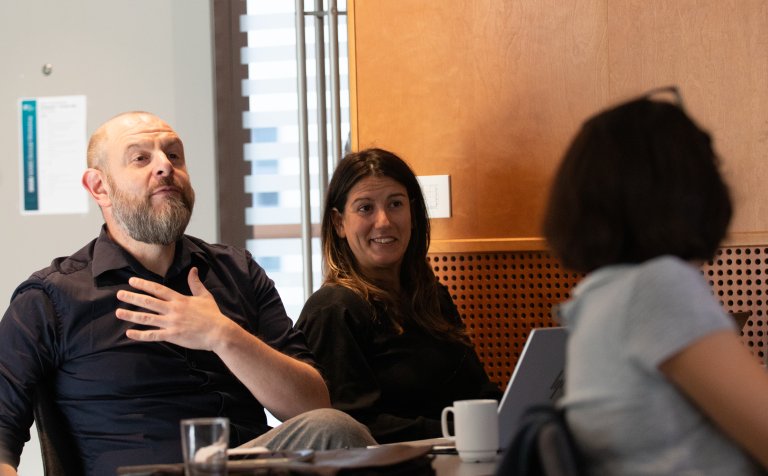
At the NAMC Annual Workshop, held in Bergen on 30 September and 1 October 2026, participants took stock of the centre’s scientific development and looked ahead to the next phase of its work. The two-day programme combined status updates, thematic discussions and collaborative workshop sessions, creating space for both scientific exchange and strategic reflection.
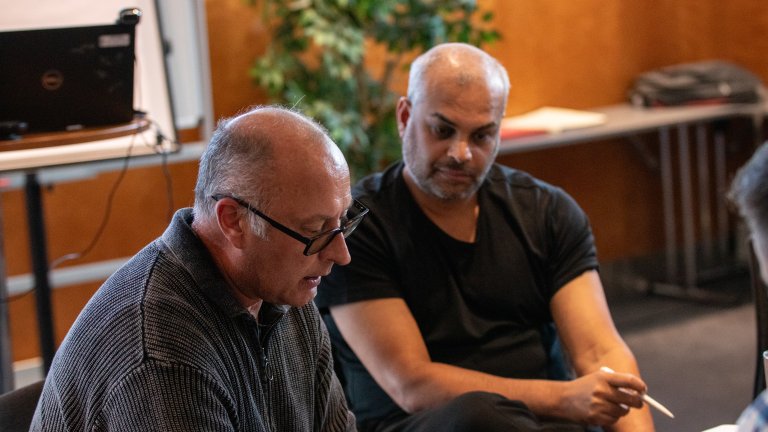
Alessio Gomiero and Farhan Khan. Photo: Katrine Jaklin, NORCE
Connecting research across the centre
The first day focused on the scientific status of NAMC and activities across the centre’s research pillars. Presentations from the pillar leaders provided an overview of ongoing work, emerging results and priorities within the different parts of the centre.
Participants also explored topics that cut across the individual pillars. These cross-pillar discussions are important for connecting methods, data and perspectives across disciplines, and for identifying questions that can only be addressed through close collaboration.
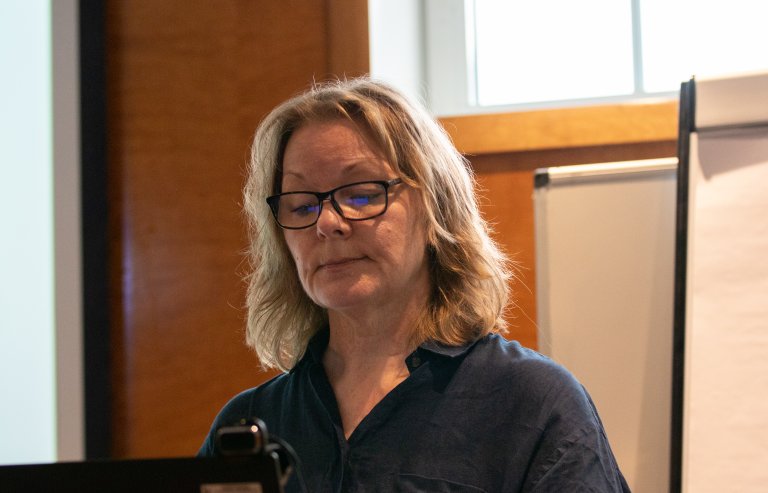
- Microplastics are a challenge that requires cooperation across disciplines and national borders. In NAMC, we bring together different perspectives and methods to build a stronger knowledge base, says Gunhild Bødtker, Centre Director and researcher at NORCE.
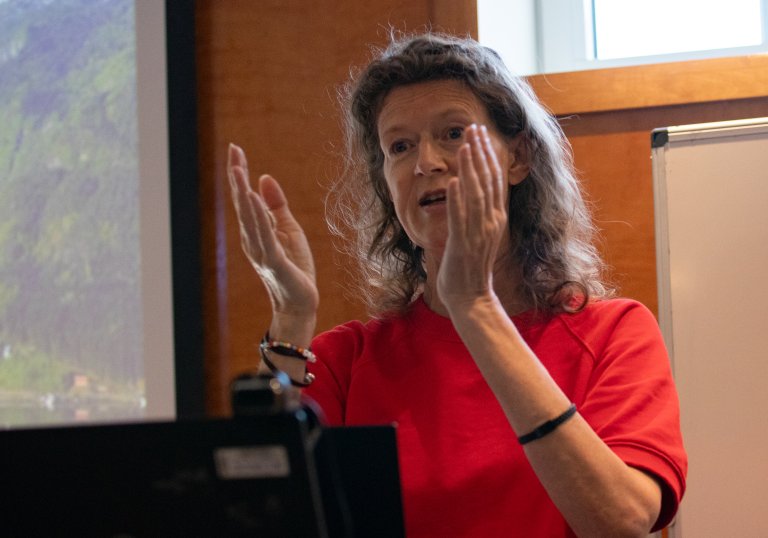
Gunhild Bødtker. Photo: Katrine Jaklin, NORCE
An open discussion about the future of the centre addressed how NAMC can continue to develop as a scientific community, where joint efforts can add the greatest value, and which knowledge needs should guide future research.
Communication was another topic on the agenda. The session considered how findings from NAMC can be made accessible and useful to audiences beyond the research community, including public authorities, industry, partners and the wider public. Effective communication is essential if scientific knowledge is to support informed decisions and contribute to practical responses to plastic pollution.
From knowledge gaps to joint priorities
On the second day, participants worked in dedicated sessions on scientific development, knowledge gaps and the work ahead. The workshop format allowed researchers to compare perspectives, refine ideas and identify areas where coordinated activity could strengthen NAMC’s overall contribution.
The concluding discussion brought together the main points from the sessions and highlighted possible priorities for continued collaboration. By combining scientific expertise across disciplines and institutions, NAMC aims to improve understanding of how microplastics enter, move through and affect environments and how humans are exposed—and to provide knowledge that can support more effective management and mitigation.
The annual workshop reaffirmed the value of a shared arena for developing research questions, building connections and setting a common direction. The discussions in Bergen will form an important basis for NAMC’s future steps.