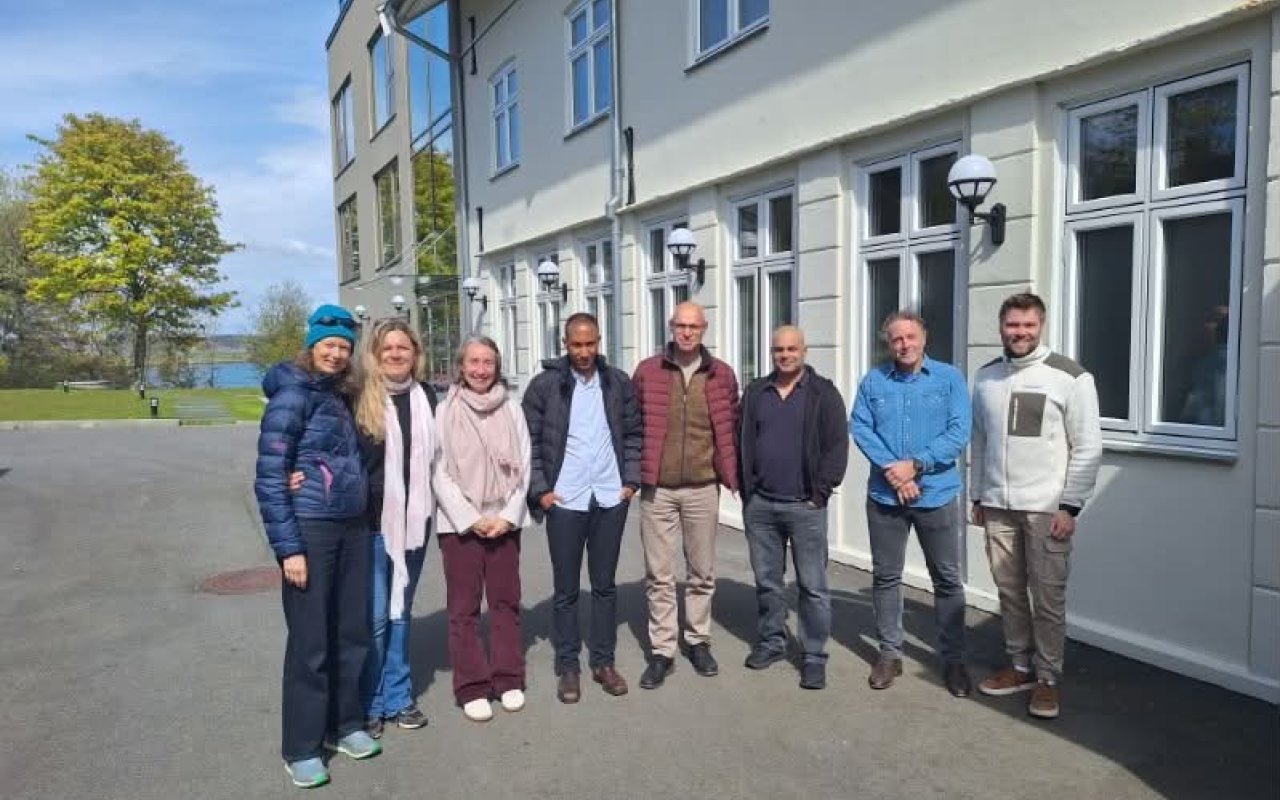
During the retreat, the team worked intensively on developing the first draft of a discussion paper exploring the societal costs of plastic pollution. To make efficient progress, the researchers divided into smaller working groups, each focusing on specific sections of the paper before bringing their insights together in joint discussions.
A key topic throughout the retreat was the use of the stated preference approach, an economic method commonly used to estimate the value people place on environmental goods that are not traded in markets. This approach involves asking individuals directly about their preferences in hypothetical scenarios. For example, respondents may be asked how much they would be willing to pay to reduce or prevent different types of plastic pollution. By analysing these responses, researchers can estimate the societal value of cleaner environments, even when no actual market prices exist.
In this particular study, the discussions focused on applying the stated preference approach to the marine environment. This includes assessing how people value reductions in plastic waste in oceans and coastal areas, and how these preferences can inform policy decisions aimed at mitigating marine pollution.
The retreat built on ongoing collaboration within NAMC. The team will continue working on the paper in the coming months, with publication expected in autumn.